
Why Every Pallet Manufacturer Needs IT to Stay Competitive

Pallet Manufacturer for IT News

A pallet company may be known for lumber, logistics, inventory movement, custom builds, and dependable delivery, but in today’s market, strength on the shop floor is no longer enough. A modern business also needs strong systems behind the scenes. That is where information technology starts to matter in a much bigger way. For a company that wants to stay organized, responsive, profitable, and ready for growth, IT is not just an extra layer. It is part of the foundation.

Every <a href=”https://greystonepallets.com/pallet-manufacturer/”>Pallet Manufacturer</a> faces pressure from rising customer expectations, tighter delivery windows, labor challenges, equipment downtime, cybersecurity risk, and the need for faster decisions. Companies that still rely too heavily on paper trails, disconnected software, manual scheduling, or delayed communication often lose valuable time and money without realizing how much is slipping away. Businesses that invest in the right technology are in a stronger position to streamline production, improve customer service, protect sensitive data, and make smarter decisions faster. That competitive edge is exactly why IT has become a business priority rather than a background function.

Strong IT Creates Better Visibility Across the Business

One of the biggest advantages IT brings to a pallet company is visibility. Owners and managers need to know what is happening in production, inventory, shipping, customer service, purchasing, maintenance, and accounting without having to chase down answers from five different people. When systems are connected, leadership can see the business more clearly and respond with more confidence.

That matters because pallet manufacturing is not static. Orders change. Lumber costs shift. Delivery schedules move. Equipment breaks down. Customers request custom dimensions or rush jobs. Without reliable technology in place, even a busy and capable company can end up operating in reaction mode. IT helps centralize information so the right people can access the right data at the right time. Current enterprise technology coverage keeps emphasizing that IT strategy is no longer about isolated upgrades. It is about building connected systems that improve decision-making, cost control, and growth across the business.

This kind of visibility also helps leadership stop guessing. Instead of estimating how much material is available, how many orders are behind, or where operational bottlenecks are forming, teams can see accurate numbers and act quickly. In a competitive environment, that level of clarity can make the difference between protecting margins and watching them disappear.

IT Helps Production and Inventory Run More Efficiently

A pallet manufacturer works in a fast-moving environment where material flow and operational timing matter every day. Inventory has to be tracked accurately. Production schedules have to stay realistic. Labor has to be coordinated. Finished pallets need to be staged and shipped without confusion. When those moving parts are managed through disconnected spreadsheets or handwritten notes, errors multiply.

That is why many manufacturers benefit from stronger ERP and operations systems. Modern ERP systems are designed to connect core functions such as inventory, purchasing, finance, and supply chain activity into one environment, which helps reduce duplication and confusion. TechTarget’s recent ERP coverage also notes that 2026 planning is being shaped by cloud readiness, data architecture, and AI-enabled workflows, all of which point to more connected operations for manufacturers.

For a pallet company, this can lead to more accurate purchasing, better material planning, fewer missed deadlines, and better communication between the office and the floor. It can also help the company identify which products are most profitable, where waste is occurring, and how to schedule jobs more intelligently. That is not just a software upgrade. That is operational discipline supported by better infrastructure.

Cybersecurity Is No Longer Optional

Many companies still assume cybersecurity is mainly a problem for large corporations, banks, or tech firms. That is no longer the reality. Manufacturers are increasingly exposed to cyber threats because they depend on connected devices, email systems, accounting platforms, supplier relationships, remote access tools, and digital records. One weak point can interrupt operations, damage customer trust, or create serious financial consequences.

A pallet manufacturer may store customer data, vendor records, employee information, pricing agreements, tax documents, and production schedules across multiple systems. If those systems are not properly protected, the business becomes vulnerable. The Cybersecurity Framework 2.0 from NIST exists to help organizations understand and improve the way they manage cyber risk, and CISA continues to publish practical cybersecurity best practices for organizations that need stronger protection.

Good IT support helps with secure networks, software updates, user permissions, backups, endpoint protection, staff training, and incident response planning. That means fewer preventable mistakes and a stronger ability to recover if something does go wrong. In a competitive market, reliability matters. Customers want to work with businesses that are stable, organized, and secure.

Better Data Leads to Better Decisions

Many pallet companies are rich in experience but poor in usable data. They know the business well, but they may not have easy access to the kind of real-time reporting that shows what is actually improving performance. IT helps turn daily activity into usable business intelligence.

When data is organized properly, a pallet manufacturer can track production output, fulfillment times, downtime, labor efficiency, waste rates, reorder cycles, customer trends, and margin by order type. That creates better conversations at every level of the business. Instead of operating on instinct alone, leadership can see patterns, measure results, and make decisions based on reality.

This is one reason broader business technology strategy has become so important. McKinsey’s Global Tech Agenda 2026 describes how leading organizations are rewiring their businesses around measurable value, while major IT leadership coverage from CIO continues to frame IT strategy as a driver of growth rather than a support-only function.

For a pallet company, that means IT can help answer critical questions such as which customers generate the healthiest margins, which delays are most costly, which machines create the most interruptions, and where administrative work is slowing the business down. Those answers are hard to find without strong systems behind them.

IT Supports Supply Chain Stability and Customer Satisfaction

A pallet manufacturer depends on timing. Customers often need pallets to keep warehouses moving, shipments organized, and production lines supplied. That means delays and communication breakdowns can quickly become customer service problems. Strong IT systems help reduce those risks by improving order accuracy, scheduling visibility, communication, and supply chain coordination.

Supply chain visibility has become a major theme in business technology strategy because companies need faster awareness when disruptions happen. IBM’s coverage on supply chain visibility focuses on how better visibility helps organizations identify issues sooner and protect revenue. That principle applies directly to pallet operations, where lumber sourcing, inventory timing, transportation coordination, and customer commitments all affect performance.

When a company has stronger systems, it can give customers better updates, manage lead times more honestly, and reduce the friction that comes from internal confusion. That translates into stronger relationships, more repeat business, and a better reputation in the market. IT is not replacing service. It is helping service become more dependable.

Modern IT Makes Growth More Practical

A company can sometimes survive with outdated systems when it is small, but growth exposes weakness quickly. What worked at one location with a smaller customer base may start breaking down when order volume rises, new hires come in, more equipment is added, or additional service areas open up. Growth without good systems often creates frustration instead of progress.

That is why IT matters so much for scalability. Cloud platforms, connected reporting, and better infrastructure make it easier to grow without losing control. Microsoft’s manufacturing guidance on intelligent factories highlights how cloud connectivity, analytics, IoT, and AI can support smarter operations in manufacturing environments. Its more recent manufacturing strategy coverage also points to 2026 as a period where scalable AI and connected systems are becoming real competitive differentiators.

For a pallet business, that could mean better forecasting, more consistent workflows across teams, quicker onboarding for employees, smarter maintenance planning, and improved communication between office staff, plant leadership, and drivers. Growth becomes more manageable when people are not relying on memory, workarounds, or disconnected tools to keep the business moving.

IT Helps Protect Margins in a Competitive Market

Competition is not only about price. It is also about speed, accuracy, dependability, and operational discipline. A pallet manufacturer that uses technology well can often reduce avoidable waste, cut down on administrative drag, improve scheduling, track profitability more clearly, and respond faster to customer needs. All of that supports healthier margins.

This matters even more in an environment where leadership teams are being pushed to align technology investments with business outcomes. CIO reporting on 2026 challenges and priorities has emphasized cost discipline, resilience, and practical value from technology rather than unfocused spending. That is an important reminder for manufacturers. The goal is not to buy technology for appearance. The goal is to use IT in ways that solve real business problems and create measurable gains.

A pallet company does not need flashy systems that complicate operations. It needs the right systems that make the business easier to run, easier to protect, and easier to grow. When IT is approached that way, it becomes a strategic investment rather than an expense line that leadership resents.

Conclusion

The pallet industry may be grounded in physical products, but competitive strength now depends on digital capability as well. Companies that invest in strong IT are better equipped to manage inventory, protect data, improve customer communication, support employees, reduce waste, and make better decisions. They are also in a stronger position to adapt as markets shift and expectations continue to rise.

Why Every Pallet Manufacturer Needs IT to Stay Competitive comes down to one central truth: the companies that can see more clearly, respond more quickly, and operate more securely will be the ones that keep moving forward. IT helps make that possible. For a pallet manufacturer that wants to build a stronger future, better technology is not a side issue. It is part of what keeps the business competitive.


Posted in Default | Comments Off on Why Every Pallet Manufacturer Needs IT to Stay Competitive

Why IT Matters in Orlando BIM Services for Smarter Construction Projects

IT News for Orlando BIM Services

Construction is no longer driven by blueprints, phone calls, and disconnected field notes alone. Today, successful building projects rely on accurate data, connected teams, secure file sharing, cloud-based collaboration, and technology that helps decision-makers see problems before they become expensive delays. That is why IT has become such an important part of BIM, especially in a growing and technology-focused market like Orlando.

Building Information Modeling is already changing how architects, engineers, contractors, developers, and owners plan and manage construction projects. BIM allows teams to create intelligent digital models that show more than walls, doors, systems, and finishes. A strong BIM model can help organize project information, support coordination, improve communication, reduce rework, and give project leaders a clearer view of what is happening before work reaches the job site.

For companies that rely on Orlando BIM Services, IT matters because the value of BIM depends on how well the technology is supported, protected, shared, and used. A powerful model is only as effective as the systems behind it. When IT and BIM work together, construction teams can move with more confidence, reduce confusion, and create smarter project outcomes. 💻

Technology Is Now Part of the Construction Foundation

Orlando has become more than a tourism and hospitality market. The region continues to grow as a hub for technology, innovation, simulation, digital media, aerospace, and advanced workforce development. The Orlando Economic Partnership’s innovation coverage highlights how deeply technology is tied to the region’s future, and that same mindset is showing up in the way construction projects are designed and delivered.

BIM fits directly into that shift. It brings construction planning into a digital environment where teams can review models, coordinate disciplines, detect conflicts, and improve project communication before problems reach the field. However, BIM does not run in isolation. It depends on reliable networks, secure storage, updated software, cloud platforms, strong hardware, and data management systems.

That is where IT becomes essential. Without the right IT structure, BIM files may load slowly, version control can become messy, access permissions may be unclear, and collaboration can break down. With the right IT support, BIM becomes a stronger business tool instead of just a design file.

BIM Depends on Reliable Data and Secure Access

Construction projects create a large amount of digital information. Models, drawings, specifications, schedules, estimates, change documentation, RFIs, shop drawings, clash reports, and field updates all need to be stored and accessed correctly. If that information is scattered, outdated, or hard to find, teams lose time and trust in the process.

IT helps make sure project data is stored in organized systems, backed up properly, and accessible to the right people. That matters because BIM often involves many contributors, including architects, structural engineers, MEP teams, general contractors, subcontractors, owners, consultants, and sometimes facility managers.

Security is also a major concern. Construction documents can contain sensitive project details, private owner information, building layouts, financial information, and operational data. As Florida continues to focus on cybersecurity and digital readiness, resources like Cyber Florida’s news and research show how important cyber awareness has become across industries.

For BIM users, security is not just an IT department issue. It affects project trust. Secure access controls, password policies, cloud permissions, encrypted transfers, and regular backups help protect the project and the companies involved.

Cloud Collaboration Makes BIM More Useful

BIM works best when the right people can access the right information at the right time. In the past, teams often worked from separate files, emailed large attachments, or waited for updated drawings to be sent around. That created confusion and increased the chance of mistakes.

Cloud-based collaboration helps change that. Teams can review current models, upload revisions, track changes, and work from a shared source of information. This is especially helpful on Orlando construction projects where stakeholders may be spread across different offices, job sites, cities, or states.

Strong IT support makes cloud collaboration smoother. It helps manage user access, file syncing, software updates, bandwidth, device compatibility, and platform performance. If a BIM manager cannot open a model quickly, or if a project manager in the field cannot access the latest coordination notes, the benefit of BIM becomes limited.

Good IT removes friction. It helps the technology feel practical, dependable, and easy for teams to use. That is what turns BIM from a technical service into a daily project advantage.

IT Helps Reduce Costly Construction Conflicts

One of the biggest strengths of BIM is the ability to identify issues before they become physical problems. Clash detection can reveal when mechanical, electrical, plumbing, structural, or architectural elements interfere with each other. When these conflicts are found early, teams can resolve them digitally instead of waiting until crews are already on site.

However, clash detection and model coordination require strong software performance, clean file management, and reliable computing power. Large models can be demanding. They may require high-performance workstations, graphics capabilities, cloud processing, and organized data workflows.

This is another reason IT matters. A slow system can delay model reviews. Poor file management can cause teams to coordinate from the wrong version. Weak backup procedures can create risk if files are corrupted or lost. IT helps protect the process so BIM teams can focus on solving construction problems instead of fighting technical ones.

Orlando’s broader technology ecosystem supports this kind of modern workflow. The Orlando Economic Partnership’s technology industry overview points to the region’s growing tech workforce and innovation environment, which aligns well with construction teams adopting smarter digital project tools.

Smarter BIM Supports Better Communication

Construction projects can become complicated quickly. Owners want clear updates. Contractors need accurate information. Subcontractors need practical direction. Designers need feedback from the field. When communication breaks down, even a well-planned project can become stressful.

BIM helps by giving teams a visual, information-rich model they can use to explain project details more clearly. Instead of relying only on separate drawings or long email chains, teams can point to model views, sections, conflicts, and coordinated updates.

IT strengthens that communication by keeping systems connected. Video meetings, shared dashboards, cloud viewers, project management platforms, and digital documentation tools all rely on IT infrastructure. When these tools are connected properly, teams can communicate faster and with less confusion.

This matters for trust. Owners feel more confident when they can see progress and understand decisions. Contractors can make better field decisions when they have access to updated information. Designers can respond more effectively when feedback is organized and connected to the model.

Florida’s Tech Growth Makes BIM Even More Relevant

Florida’s construction market is active, competitive, and increasingly tied to technology. As the state continues investing in digital transformation, workforce development, cybersecurity, AI, and innovation, construction companies that understand technology will be better positioned to compete.

The Florida High Tech Corridor Council is one example of how Central Florida has long supported high-tech industry development through partnerships involving major universities and regional economic initiatives. That matters because the construction industry does not stand apart from the technology economy. It is now part of it.

BIM sits at the intersection of design, construction, data, visualization, and digital operations. For Orlando projects, that makes BIM especially valuable. The region’s growth, development activity, and technology culture create an environment where smarter planning tools can make a real difference.

The same is true for education and workforce development. UCF’s launch of a School of Technology, Leadership and Innovation reflects the region’s focus on helping organizations turn technology into performance. That idea connects directly to BIM. It is not enough to have technology. Companies need to use it in a way that improves real project outcomes.

IT Makes BIM More Valuable After Construction

BIM is often discussed during design and construction, but its value can continue long after the project is complete. Owners and facility managers may use BIM data for maintenance planning, asset tracking, future renovations, space management, and building operations.

For that long-term value to work, the information must be organized, accurate, and stored in systems that can be accessed later. IT plays a major role in preserving that value. File formats, cloud storage, permissions, digital handover procedures, and data structure all affect whether BIM remains useful after the final walkthrough.

This is especially important for commercial buildings, healthcare facilities, educational campuses, hospitality projects, government buildings, and large multi-phase developments. The model should not become a forgotten file after construction ends. With the right IT planning, BIM can become part of the building’s long-term information system.

Cybersecurity and Digital Trust Are Part of Project Quality

Quality in construction used to be measured mostly by craftsmanship, schedule, budget, and safety. Those still matter, but digital trust is now part of project quality too. A company’s ability to protect data, manage access, maintain systems, and keep project information reliable can affect the entire construction experience.

Florida’s public and private sectors continue paying attention to digital modernization, cybersecurity, AI, cloud systems, and data governance. Events such as the Florida Digital Summit show how important these topics have become across the state.

For BIM, digital trust means project teams can depend on the information they are using. They know the model is current. They know sensitive files are protected. They know access is controlled. They know backups exist. They know the project is not being run from scattered files and outdated attachments.

That kind of confidence matters. It helps teams move faster while reducing risk.

Conclusion

IT matters in Orlando BIM services because BIM is more than a model. It is a connected digital process that depends on secure systems, reliable access, strong collaboration, organized data, and technology that supports real construction decisions.

When IT is handled well, BIM becomes easier to use and more valuable to the entire project team. It helps reduce conflicts, improve communication, protect sensitive information, support better coordination, and create a stronger foundation for both construction and long-term building management.

For Orlando construction projects, this connection between IT and BIM is especially important. The region is growing, technology is advancing, and project teams need smarter ways to plan, coordinate, and deliver work. Companies that understand the relationship between BIM and IT are not just keeping up with modern construction. They are building with more clarity, more control, and more confidence.

Posted in IT News | Tagged , , , , , , , | Comments Off on Why IT Matters in Orlando BIM Services for Smarter Construction Projects

South Dakota Concrete Batching Plants and the Role of Smarter IT

IT News for South Dakota Concrete Batching Plants

Concrete production has always depended on timing, consistency, equipment reliability, and communication. Today, those same priorities are being strengthened by smarter IT. For producers, contractors, and plant leaders looking at South Dakota Concrete Batching Plants, the conversation is no longer limited to mixers, silos, and dispatch schedules. It now includes data visibility, cybersecurity, connected equipment, remote access, AI-supported decision-making, and the digital systems that help operations stay productive under pressure. The rise of the industrial internet of things has made it easier for industrial operations to connect machines, sensors, and software in ways that improve uptime, responsiveness, and performance.

Why Smarter IT Matters More in Concrete Production

Concrete batching plants operate in an environment where small delays can quickly turn into expensive problems. Material shortages, moisture variation, calibration issues, truck timing, weather impacts, plant downtime, and communication gaps can affect quality and profitability in the same day. Smarter IT helps reduce that exposure by making information more visible and easier to act on. Instead of relying only on manual reporting, disconnected spreadsheets, or calls between the office and the yard, better systems can bring plant data, scheduling, maintenance, inventory, and production tracking into a more connected workflow. The broader smart-manufacturing movement continues to emphasize digital investment as a driver of agility and competitiveness, especially as industrial companies adopt more connected and AI-enabled operations.

That matters in South Dakota because batching plants often serve projects where reliability is everything. Road work, municipal development, commercial builds, agricultural infrastructure, and energy-related construction all depend on concrete arriving on time and meeting spec. A plant that can see problems sooner, communicate faster, and protect critical systems better holds a meaningful operational advantage. Smarter IT does not replace plant knowledge. It strengthens it by giving experienced teams better tools to manage complexity and react with confidence. Industry sources from Deloitte’s 2026 Manufacturing Industry Outlook and Microsoft’s Industry 4.0 technologies overview both point to digital systems, AI, IoT, and connected operations as core parts of modern industrial competitiveness.

Connected Operations Create Better Visibility

One of the clearest advantages of smarter IT is visibility. Plant managers need to know what is happening now, not after the shift ends. Connected systems can help track batch performance, aggregate flow, production status, maintenance alerts, fleet movement, and inventory levels in closer to real time. That visibility can support better decisions across dispatch, quality control, maintenance, and customer communication.

For concrete batching plants, visibility also helps reduce friction between the field and the office. When delivery schedules, load counts, plant output, and service notes are easier to access, teams spend less time chasing information and more time solving real issues. This is where smarter IT becomes practical rather than theoretical. It is not about adding technology for appearance. It is about eliminating blind spots that create rework, delay, and waste. Cisco on Industrial IoT describes IIoT as an ecosystem that collects, monitors, and analyzes operational data to improve visibility, troubleshooting, efficiency, safety, and security. That definition fits concrete operations extremely well.

Cybersecurity Is Now Part of Operational Stability

A modern batching plant is no longer just a physical operation. It is also a digital environment with networked devices, industrial controls, remote connections, and business systems that need protection. That makes cybersecurity part of operational stability, not just an IT department concern. When a plant depends on connected software, dispatch platforms, cloud dashboards, vendor access, or industrial controls, weak cybersecurity can become a production risk.

This is why smarter IT must include secure architecture, access controls, network segmentation, backups, update discipline, and a plan for incident response. The NIST Cybersecurity Framework 2.0 is widely used to help organizations understand, assess, prioritize, and communicate cybersecurity risk, and CISA Secure by Design emphasizes building security into technology from the start rather than bolting it on later. Those principles are highly relevant to industrial businesses that cannot afford system disruption during active production windows.

For South Dakota plant operators, this means smarter IT should be evaluated not only by convenience, but by resilience. A fast dashboard is helpful. A secure, reliable, recoverable system is far more valuable. IT decisions that support production continuity, protect records, and reduce exposure to cyber events can quietly protect revenue and reputation at the same time. Cisco’s current industrial security materials also emphasize OT visibility, segmentation, and zero-trust-style remote access as key elements of industrial protection.

AI and Automation Support Better Decision-Making

AI in industrial settings is often misunderstood as a futuristic add-on. In reality, its strongest value often comes from very practical use cases: pattern detection, predictive maintenance, anomaly identification, quality monitoring, scheduling support, and faster interpretation of operational data. In a batching environment, those capabilities can support more proactive maintenance planning, tighter production awareness, and stronger responses to emerging issues before they become shutdowns or costly inconsistencies.

That does not mean every plant needs a complex AI stack overnight. It means smarter IT should be built with enough structure to support better analysis over time. Clean data, connected systems, and usable dashboards create the foundation. Then more advanced tools can help turn that data into action. IBM on AI in manufacturing explains that AI is helping manufacturers improve efficiency, precision, and adaptability, while IBM’s smart manufacturing overview highlights the role of real-time data analysis in understanding production performance. Those ideas translate directly to a plant environment where timing, consistency, and uptime matter every day.

For plant leaders, the takeaway is simple: smarter IT creates a stronger operating picture. AI and automation then help make that picture more useful. The goal is not complexity. The goal is better control.

Smarter IT Helps People Work Better, Not Just Systems

A concrete batching plant succeeds because people know how to keep work moving. The right IT structure helps those people do that with less friction. Dispatch teams benefit from clearer scheduling and better communication. Operators benefit from cleaner data and easier monitoring. Ownership benefits from stronger reporting, reduced downtime, and better insight into operational performance. Customers benefit from more consistency and confidence.

This human side of smarter IT is often overlooked. Technology should reduce guesswork, reduce duplication, and reduce delays in communication. It should make teams feel more supported, not more buried. Microsoft’s recent manufacturing reporting on IoT and AI adoption points to secure, scalable, automated shop-floor environments as a growing priority, while Deloitte’s smart-manufacturing research continues to frame digital transformation as an operational and workforce challenge, not just a software purchase.

That perspective matters for South Dakota businesses because many industrial operations need practical solutions that fit the way real work gets done. The smartest IT strategy is usually the one that improves clarity, protects continuity, and supports the team already doing the job.

The Competitive Advantage Is in Integration

The real power of smarter IT is not found in one single tool. It comes from integration. When maintenance, production data, inventory awareness, dispatch coordination, reporting, and cybersecurity work together, a plant can operate with more confidence and less confusion. That kind of connected environment supports stronger planning and faster response times. It also creates a more professional operational backbone for growth.

For producers evaluating long-term improvements, this is where IT becomes a strategic asset instead of a support function in the background. Better integration can help plants scale without losing visibility. It can help leadership spot inefficiencies earlier. It can help teams move from reactive problem-solving to more disciplined operations. In a demanding market, that kind of shift matters.

The broader smarter IT landscape keeps moving in this direction. Industry resources from Microsoft, Cisco, IBM, NIST, CISA, and Deloitte all point toward a future where industrial businesses perform better when digital systems are connected, secure, and designed to support real operational outcomes.

Conclusion

South Dakota concrete producers do not need technology for technology’s sake. They need systems that help them run tighter operations, protect uptime, improve visibility, and support reliable service. That is the real role of smarter IT. It brings better awareness to daily operations, supports stronger cybersecurity, opens the door for practical automation, and helps teams make faster, better-informed decisions.

As the industrial world becomes more connected, concrete batching plants that invest in smarter IT will be better positioned to serve customers, manage risk, and operate with greater consistency. In that sense, smarter IT is not separate from plant performance. It is becoming one of the most important forces behind it.

Posted in IT News | Tagged , , , , | Comments Off on South Dakota Concrete Batching Plants and the Role of Smarter IT

Why IT Professionals Need to Take a Business Management Course

IT News for business management course

The role of the IT professional has changed. It is no longer limited to maintaining systems, troubleshooting user issues, securing networks, or implementing software. Today, IT teams are expected to help shape business strategy, support growth, protect margins, improve customer experience, and guide organizations through rapid technological change. Industry coverage across outlets such as CIO, InformationWeek, and CIO Dive reflects the same pattern: technology leaders are being pulled deeper into business leadership, workforce planning, and operational decision-making. A business management course helps IT professionals step into that reality with confidence and clarity.

For many IT professionals, technical knowledge creates credibility, but business knowledge creates influence. A talented engineer, analyst, systems administrator, developer, architect, or security specialist may understand the technology better than anyone in the room, yet still struggle to gain traction if they cannot explain how their work affects revenue, cost control, risk, team performance, client retention, and long-term strategy. That gap matters. Businesses do not invest in technology for technology’s sake. They invest because they want outcomes. A business management course helps IT professionals connect their technical value to those outcomes in a way executives, clients, and stakeholders immediately understand.

IT Is Now Tied Directly to Business Performance

Every major company now depends on technology to operate, compete, and grow. Sales systems, customer support platforms, cybersecurity, cloud infrastructure, analytics, automation, vendor relationships, compliance workflows, and communication tools are all connected to business results. That means IT decisions affect far more than uptime. They affect the speed of the business, the cost of the business, and the reputation of the business.

A business management course teaches IT professionals how organizations actually function beyond the server room or development environment. It introduces the language of operations, finance, leadership, budgeting, process improvement, organizational behavior, and strategic planning. That matters because the best IT professionals are no longer simply delivering tools. They are helping shape how work gets done.

When an IT professional understands management principles, they become better at prioritizing projects that move the business forward instead of just focusing on what is technically impressive. They begin to see why one automation initiative gets approved while another sits untouched. They learn how to frame proposals in terms of return on investment, risk reduction, productivity, and growth. That shift makes them more valuable because they begin thinking like an owner, not just a technician.

Business Management Helps IT Professionals Speak the Language of Leadership

Many highly capable IT professionals lose opportunities because they communicate in technical terms while executives make decisions in business terms. Leaders want to know how a project will affect cost, efficiency, risk, scalability, customer retention, and competitive advantage. They want to know whether a platform change supports broader company goals. They want confidence that technology investments align with strategy.

A business management course closes that communication gap. It teaches IT professionals how to present ideas with greater clarity, structure, and relevance. It helps them understand how managers evaluate priorities, how departments compete for resources, and how decisions are shaped by timing, budgets, and organizational pressure. The result is stronger executive communication and more persuasive leadership presence.

This is one reason so many discussions in modern IT leadership center on business alignment rather than pure technical depth. Coverage in IT Pro and InformationWeek’s IT management coverage shows how leadership expectations are evolving around governance, AI oversight, operational outcomes, and cross-functional decision-making. IT professionals who study business management are much better prepared for that environment.

Technical Excellence Without Business Understanding Limits Career Growth

A strong technical background can open the door to a career in IT, but it does not always move someone into decision-making roles. The professionals who advance into management, director, VP, CIO, and digital transformation roles are usually the ones who understand both the technology and the business behind it.

A business management course gives IT professionals the framework to grow beyond task execution. It teaches how to lead teams, manage competing priorities, build operational discipline, and make decisions that support the health of the entire organization. This kind of education is especially useful for professionals who want to become team leads, department heads, consultants, or business-facing technology leaders.

Many IT professionals eventually discover that promotions depend less on whether they can solve the hardest technical problem and more on whether they can lead people, manage budgets, improve systems, and make sound business decisions under pressure. Business training helps them develop those capabilities before the opportunity arrives. Instead of being seen only as the person who knows the systems, they become the person who understands how to move the company forward.

That credibility compounds over time. When an IT professional can explain why a platform migration supports profitability, why a security investment protects brand trust, or why process redesign will improve customer experience, they become more difficult to replace and more likely to be included in strategic conversations.

IT Professionals Need Financial and Operational Awareness

One of the most practical reasons to take a business management course is to build financial awareness. Many IT professionals are responsible for tools, vendors, software licenses, implementation costs, support contracts, and project timelines, yet have never been formally taught how to evaluate those responsibilities through a business lens.

Business management courses often cover budgeting, forecasting, cost control, performance metrics, process management, and resource allocation. Those are not abstract concepts. They directly affect daily IT decisions. Should a company build or buy software. Should an organization stay with a vendor or switch. Should an IT department automate a process now or wait. Should the team invest in training, staffing, cloud expansion, or security upgrades first. These decisions are stronger when the professional making them understands business trade-offs.

This is especially important in a market shaped by AI, automation, and constant pressure to prove value. Enterprise technology coverage from TechCrunch and Ars Technica regularly shows how quickly the business side of technology shifts, from platform competition to infrastructure strategy to cost-driven adoption decisions. IT professionals who understand management are better equipped to evaluate what is worth adopting, what is noise, and what truly supports business goals.

Business Management Strengthens Decision-Making in a Fast-Changing Industry

Technology changes quickly, but not every trend deserves investment. IT professionals are constantly exposed to new tools, new vendors, new promises, and new pressure to modernize. Without a business framework, it becomes easy to chase innovation without discipline. A business management course creates that framework.

It teaches professionals how to evaluate opportunity cost, understand stakeholder impact, think through change management, and weigh long-term value against short-term excitement. That leads to better decisions. It also reduces the risk of making isolated technical choices that create larger organizational problems later.

This matters because the most effective IT professionals are not the ones who say yes to every shiny new solution. They are the ones who know when to say yes, when to say no, and when to say not yet. Management education strengthens judgment, which is one of the most important leadership assets an IT professional can develop.

Business management also helps IT professionals understand organizational resistance. A technically sound idea can still fail if departments are not aligned, if adoption is poorly managed, or if leaders do not understand the value. Knowing how businesses operate helps technology professionals lead change in a way people can actually absorb and support.

It Builds Stronger Leadership, Not Just Better Knowledge

Many IT professionals eventually find themselves mentoring junior staff, leading implementations, managing outside vendors, or coordinating with executives. Leadership often arrives before formal leadership training does. A business management course helps fill that gap.

Courses in management commonly address team dynamics, delegation, communication, motivation, conflict resolution, and performance improvement. Those skills matter in IT more than many people realize. Technical environments can be fast-moving, high-pressure, and deeply collaborative. Projects often involve cross-functional tension, deadline pressure, and competing expectations. Professionals who understand leadership are better able to keep teams focused, solve friction early, and maintain momentum.

This does not just benefit the company. It benefits the individual. Leadership ability increases earning power, broadens career options, and improves professional reputation. It also helps IT professionals move from reactive problem-solving into proactive business contribution.

For those who want to understand the broader discipline itself, even a foundational overview such as Wikipedia’s business administration page can show how management extends across planning, organizing, staffing, directing, and controlling operations. A full course takes those ideas much further and translates them into practical use inside real organizations.

Business Education Makes IT Professionals More Valuable to Clients and Employers

Whether someone works in-house or in consulting, business understanding increases trust. Employers trust professionals who understand consequences beyond the technical task. Clients trust advisors who can connect systems, software, security, and automation to growth, stability, and profitability.

That trust matters for reputation, advancement, and long-term opportunity. An IT professional who can think like a business partner becomes more than a service provider. They become a strategic asset. They are invited into bigger conversations. They are given more responsibility. They are more likely to lead projects that matter. In many cases, they also become better at protecting the company from bad decisions because they can spot weak business logic behind attractive technical ideas.

This kind of broad value is exactly what strengthens professional authority over time. It positions the IT professional as someone who not only understands systems, but understands how systems serve people, performance, and profit.

Conclusion

IT professionals need a business management course because modern technology roles are business roles. The companies that hire, promote, and depend on IT talent increasingly expect more than technical execution. They expect judgment, leadership, communication, operational awareness, and strategic thinking. A business management course helps develop all of that.

It gives IT professionals the ability to connect their work to outcomes that matter at the highest levels of the organization. It helps them lead better, communicate better, decide better, and grow faster. It strengthens their value in the eyes of employers, clients, and executive teams. Most importantly, it turns technical skill into business impact.

In a world where technology continues to shape every part of business, the IT professional who understands management is not just more educated. They are more effective, more trusted, and more prepared for the future of the industry.

Posted in IT News | Tagged , , , , , | Comments Off on Why IT Professionals Need to Take a Business Management Course

Miami SEO Agencies Win Faster With IT Services Beside Them

IT News for SEO services Miami

Miami moves fast. So do algorithms, competitors, and customer expectations. An SEO services company in Miami can create incredible growth for clients, but the ability to deliver consistent results depends on something many agencies treat like an afterthought: IT services.

SEO today runs on cloud tools, analytics pipelines, CRMs, automation, secure collaboration, and constant access to data. When those systems wobble, performance wobbles right along with them. Strong IT support is no longer a “nice add-on” for an agency. It is infrastructure for revenue, reputation, and the daily ability to execute.

SEO Is a Technology Business Now

Modern SEO is not just writing content and building links. It is technical audits, performance monitoring, schema, log file insights, analytics configuration, conversion tracking, and experimentation across websites, servers, and third-party platforms. That reality places an agency squarely inside the world of IT service management, whether the agency formally acknowledges it or not. The discipline itself exists for a reason: keeping technology predictable, secure, and continuously improving across an organization. A simple primer on the concept is helpful context via IT service management on Wikipedia.

When an agency stacks too many tools without governance, small problems become big ones. Access sprawl turns into security risk. Unmanaged devices turn into downtime. Unstandardized processes turn into missed deliverables. IT services bring structure so the agency can scale without chaos.

Downtime Destroys Momentum and Client Confidence

SEO is compounding. Rankings, authority, and performance gains build over time, but they also get interrupted by outages and workflow breakdowns. If an agency loses access to email, documents, reporting tools, or client files during a critical deliverable window, the problem is not just inconvenience. It becomes delayed launches, missed approvals, broken client communication, and a perception that the agency is disorganized.

Large platforms have outages, and that reality hits agencies directly because agency operations are built on these ecosystems. When Microsoft 365 access issues made headlines, it was a reminder that productivity platforms are a single point of operational failure for many businesses, including agencies. Reuters coverage on a Microsoft 365 outage illustrates how quickly platform disruptions ripple across organizations.

IT services reduce the blast radius. They establish redundancy, offline access plans, backup communication paths, and clear escalation procedures so the agency stays functional even when a major vendor has a bad day.

Cybersecurity Is Part of Delivering SEO, Not Separate From It

Agencies handle sensitive client assets constantly: website access, Google Business Profiles, analytics, ad accounts, customer data, proprietary strategies, invoices, and contracts. One compromised password can become a compromised website. One malicious plugin update can become a public incident. One phishing click can put multiple client accounts at risk.

IT services create the practical security foundation that protects the agency and its clients: managed device security, patching, endpoint protection, DNS safeguards, least-privilege access, MFA enforcement, secure password management, and ongoing monitoring. These are not abstract concepts. They are operational necessities.

Frameworks like the NIST Cybersecurity Framework give businesses a way to organize and improve security practices in a structured way, including governance and continuous improvement. The official release materials for NIST Cybersecurity Framework 2.0 show how seriously cybersecurity governance is being treated across industries.

For a Miami SEO company, that matters because trust is part of the sale. When prospects evaluate an agency, they increasingly evaluate risk. Mature IT and security practices become a competitive advantage in winning higher-value clients.

Secure-by-Design Expectations Are Rising Across the Market

The broader tech world is pushing hard toward building security into products and operations from the start. That shift changes client expectations. Clients expect vendors to be responsible stewards of systems and data, especially vendors who have access to websites and marketing infrastructure.

CISA’s work around secure-by-design shows the direction of travel for the entire ecosystem. Even if a marketing agency is not writing software, the principle applies to how an agency configures, secures, and manages the tools that touch client systems. The official CISA Secure by Design initiative is a useful reference point for how security expectations are being formalized.

IT services help agencies translate these rising expectations into real practices: secure onboarding, account provisioning, offboarding controls, vulnerability management, and documented policies that reduce risk.

Cloud Reliance Makes Reliability and Vendor Management Non-Negotiable

SEO agencies live in the cloud: reporting dashboards, rank tracking, keyword tools, project management, design assets, and client communication. When cloud infrastructure stumbles, agencies feel it immediately.

A well-covered example is when Cloudflare disruptions briefly affected major sites and services, demonstrating how centralized and interconnected modern infrastructure has become. The Associated Press report on a Cloudflare outage captures the reality that a single configuration issue can disrupt large parts of the internet’s operating layer.

IT services provide vendor management discipline: understanding dependencies, setting internal service standards, planning around maintenance windows, and maintaining contingency options. That turns “we are stuck” into “we are executing the backup plan.”

AI and Automation Increase Both Capability and Risk

SEO agencies are adopting AI for content workflows, forecasting, competitive analysis, and operational automation. That is powerful, but it introduces new security and compliance considerations: data handling, model access controls, prompt leakage, third-party integrations, and governance over what information gets fed into systems.

NIST has been publishing guidance that reflects how quickly cybersecurity needs are changing as AI becomes embedded into operations. The NIST announcement on draft guidelines for cybersecurity in the AI era highlights how organizations are being pushed to treat AI security as a first-class operational concern.

IT services help an agency adopt AI responsibly. They set rules for data classification, tool approvals, access permissions, and monitoring so AI boosts output without quietly increasing exposure.

IT Services Keep a Growing Agency Organized as It Scales

Miami agencies that grow add people, tools, accounts, and client complexity quickly. Without IT structure, growth creates drag: onboarding becomes inconsistent, permissions get messy, laptops are untracked, and “who has access to what” becomes unclear.

Managed IT services standardize the foundation:

  • A consistent device setup for every role

  • Central identity management and access control

  • Documentation for systems and workflows

  • Backup, disaster recovery, and business continuity planning

  • Help desk support that prevents small issues from becoming lost days

This keeps the team producing instead of troubleshooting. It also makes leadership’s life easier because performance becomes repeatable instead of dependent on heroic effort.

Security and Resilience Are Becoming Business Requirements

The trendline is clear. Cybersecurity pressure is increasing, outages are more visible, and regulators and clients are expecting tighter governance. Industry groups track these shifts and consistently emphasize stronger governance and evolving requirements across organizations. ISACA’s overview of cybersecurity trends shaping 2026 reflects the direction organizations are moving toward.

For an SEO services company in Miami, the takeaway is practical: IT services protect delivery timelines, protect client trust, and protect margins. They also reduce stress across the team by replacing constant firefighting with stable systems.

Conclusion

A SEO Services Miami company sells growth, but it delivers that growth through technology. IT services are what keep the engine running: secure access, reliable tools, resilient operations, and standards that make scaling smoother. When IT is handled well, the agency becomes faster, calmer, and more trustworthy, and clients feel it in every interaction. 🚀🔒

Posted in IT News | Tagged , , , , , , | Comments Off on Miami SEO Agencies Win Faster With IT Services Beside Them

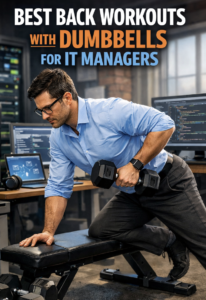
Best Dumbbell Back Workouts for IT Managers Who Sit, Lead, and Ship 💻🏋️‍♀️

IT News for back workouts with dumbbells

Long hours at a desk, constant context-switching, and the quiet stress of keeping systems stable can take a real toll on an IT manager’s body. A strong back is not about aesthetics; it is about resilience. It supports posture during endless meetings, keeps shoulders from rolling forward over a keyboard, and helps reduce the nagging tightness that tends to collect between the shoulder blades after a day of escalations and Slack pings.

Dumbbells are a perfect fit for the IT lifestyle because they are practical, scalable, and efficient. They let you train your back at home or in a small gym without fighting for machines, and they build the exact kind of strength that carries over to real life: controlled pulling, stable shoulders, and a spine that stays supported when your schedule gets messy. Along the way, staying aware of what’s happening across the tech landscape can help you pair training with better work habits and ergonomics, so it makes sense to keep a few reliable IT news sources in your rotation like CIO, Computerworld, InfoWorld, Ars Technica, and The Verge. For a quick foundational refresher on the scope of the field you lead every day, Information technology is a solid reference.

What Makes a Dumbbell Back Workout “Best” for IT Managers

The best plan is the one that fits into real life and produces consistent results without draining your nervous system. For most IT managers, that means a workout that improves posture, strengthens the upper back and lats, and reinforces safe hinging mechanics for the low back—all while staying time-efficient.

A smart back workout for desk-heavy days prioritizes movements that pull the shoulders down and back, train the mid-back to stabilize the shoulder blades, and build lats that support your torso like built-in scaffolding. It also respects recovery, because leadership is already a cognitive load. Your training should make you feel more capable, not more depleted. ✅

The Core Dumbbell Back Exercises That Deliver the Most Results

The exercises below cover the back from top to bottom. They do not require a bench in every case, and they scale easily by adjusting weight, tempo, and volume.

1) One-Arm Dumbbell Row (supported)
This is the backbone of dumbbell back training. Support one hand on a bench, chair, or sturdy surface, and row the dumbbell with the other arm. Drive the elbow toward your hip, pause briefly near the top, and lower with control. This trains lats, mid-back, and grip while keeping the movement stable and joint-friendly.

2) Two-Arm Dumbbell Row (hinged)
A hinged row builds a stronger “workhorse” back. Hinge at the hips, keep the spine neutral, and row both dumbbells toward the lower ribs. This reinforces a strong posterior chain while loading the back in a way that carries into daily movement patterns.

3) Dumbbell Romanian Deadlift (RDL)
This is not a row, but it is essential for the back because it trains the hinge and strengthens hamstrings and glutes, which support the low back. Move slowly, push the hips back, keep dumbbells close to your legs, and stop when you feel a strong hamstring stretch without rounding your spine.

4) Dumbbell Pullover (floor or bench)
A pullover trains lats and upper back while opening up the ribcage and shoulders—excellent for desk posture. Lie on the floor or bench, hold one dumbbell with both hands, lower it behind the head with control, and pull it back overhead while keeping ribs from flaring.

5) Rear Delt Fly (hinged)
Rear delts and upper back are posture insurance. Hinge, keep a slight bend in the elbows, and sweep the dumbbells outward. Light weight and strict control win here.

6) Dumbbell Shrug (with a pause)
This helps build upper traps and neck support. Shrug straight up, pause at the top for a second, then lower slowly. The pause keeps it honest and builds stability where many desk workers feel tension.

Two “Best” Dumbbell Back Workouts Built for IT Schedules

Below are two options: a concise 30–35 minute plan and a slightly longer strength-focused plan. Both are built to be repeatable and sustainable.

Workout A: The 30–35 Minute Back Builder for Busy Weeks 🔥

Warm-up (4–5 minutes)
Do brisk shoulder circles, slow hip hinges with hands on hips, and a few controlled bodyweight “good mornings.” Move blood into shoulders and hips.

1) One-Arm Dumbbell Row (supported)
3 sets × 10–12 reps each side
Use a controlled lower, and pause near the top for half a second.

2) Dumbbell Romanian Deadlift
3 sets × 8–10 reps
Keep it smooth and hinge-focused. The goal is posterior-chain strength without back strain.

3) Rear Delt Fly (hinged)
3 sets × 12–15 reps
Use lighter weights and make it strict. This is posture work, not ego work.

4) Dumbbell Pullover (floor or bench)
2–3 sets × 10–12 reps
Slow, controlled reps, steady breathing, no rushing.

Finisher: Dumbbell Shrug (pause reps)
2 sets × 12 reps with a 1-second pause at the top
This locks in upper-back endurance after a long desk day.

This workout hits lats, mid-back, rear delts, and hinge strength with minimal setup, making it ideal when your calendar looks like a patchwork of meetings and urgent asks.

Workout B: The Strength + Posture Plan for Maximum Carryover 💪

Warm-up (5–6 minutes)
Add a few slow bodyweight hinges plus light rows or flys if you have smaller dumbbells available.

1) Two-Arm Dumbbell Row (hinged)
4 sets × 6–10 reps
Go heavier than Workout A. Maintain a strict hinge and neutral spine.

2) One-Arm Dumbbell Row (supported)
3 sets × 8–10 reps each side
Focus on a strong pull and controlled lowering to build dense back strength.

3) Dumbbell Romanian Deadlift
4 sets × 6–8 reps
Moderately heavy, crisp reps. Stop before form breaks.

4) Rear Delt Fly (hinged)
3 sets × 12–15 reps
Keep shoulders down and away from the ears.

5) Dumbbell Pullover
3 sets × 8–12 reps
Use a weight that lets you keep ribs controlled and lats engaged.

Optional: Farmer Carry (if space allows)
3 rounds × 30–60 seconds walking with heavy dumbbells
This adds grip, upper-back stability, and core bracing—perfect for durability.

Workout B is the best fit when you want a stronger back that improves posture and performance under stress, without turning training into another full-time job.

Progression That Works Without Overthinking 🧠

Progression should be simple. Pick one method for two to four weeks, then rotate.

  • Add 1–2 reps per set until you hit the top of the rep range, then increase weight slightly.

  • Slow the lowering phase to 3 seconds for rows and flys when weights are limited.

  • Add one extra set to rows or RDLs on weeks you feel recovered.

The win is consistency. In IT leadership, small improvements compounded over time create major outcomes. Training works the same way.

Form Cues That Protect Your Back During High-Stress Weeks

A great back workout is only “best” if it is safe and repeatable.

  • Keep your ribcage stacked over your pelvis during hinges and rows.

  • Pull with elbows and back, not with neck and momentum.

  • Use controlled lowering on every rep, especially on rows and flys.

  • Stop sets with 1–2 reps left in the tank when sleep is short.

This approach builds strength without leaving you wrecked for the workday.

Conclusion ✅

The best back workouts with dumbbells for IT managers are the ones that strengthen posture, build real pulling power, and fit inside a demanding schedule. A combination of rows, RDLs, pullovers, rear delt flys, and shrugs gives you full-back coverage with minimal equipment, and the two workout options above make it easy to train whether you have 30 minutes or a full session.

A stronger back supports clearer focus, steadier energy, and a body that feels capable even when the queue is not. Keep your training consistent, keep your form clean, and keep your leadership strong—inside the office and outside it. 💻🏋️‍♀️

Posted in IT News | Tagged , , , , , , | Comments Off on Best Dumbbell Back Workouts for IT Managers Who Sit, Lead, and Ship 💻🏋️‍♀️